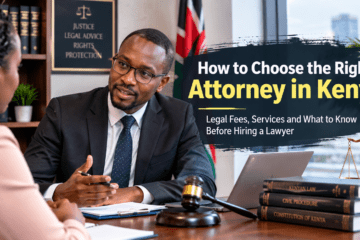
If you have been injured in a road accident, at work, in a public place, or because of another person’s negligence, finding the right personal injury lawyer in Kenya can be an important step in understanding your legal options.
A serious injury can bring medical bills, lost income, rehabilitation costs and long-term changes to your life. In some cases, an injured person may be entitled to seek compensation from the party legally responsible for the injury.
But personal injury claims can be complicated. Evidence may disappear, insurance companies may dispute liability, and important documents and deadlines can affect a case.
This guide explains what a personal injury lawyer does in Kenya, when you may need one, how personal injury claims work, what compensation may be available, how legal fees can work, and what you should do after an accident.
What Is a Personal Injury Lawyer?
A personal injury lawyer is a legal professional who assists people who have suffered injuries or losses because of another party’s actions or negligence.
In Kenya, personal injury matters can arise from several situations, including:
- Road traffic accidents
- Motorcycle and pedestrian accidents
- Workplace accidents
- Construction-site accidents
- Medical negligence claims
- Injuries in public or commercial premises
- Defective products
- Fatal accidents involving dependants or family members
- Other situations where another party may be legally responsible
The lawyer’s role can include assessing the circumstances, gathering evidence, communicating with insurers or other parties, negotiating where appropriate and representing the client in legal proceedings when necessary.
The exact legal route depends on the circumstances of the individual case.
When Should You Hire a Personal Injury Lawyer in Kenya?
You do not necessarily need a lawyer for every minor accident. However, professional legal advice can become particularly valuable when an injury is serious, liability is disputed, an insurance company refuses to make a reasonable offer, or the financial consequences are significant.
Consider speaking to a personal injury lawyer in Kenya if:
Your injuries are serious
Serious injuries can involve substantial medical expenses, rehabilitation and time away from work.
Another party disputes responsibility
If the other driver, employer, property owner or insurer argues that they were not responsible, determining liability can become more complicated.
The insurance company makes an offer
Before accepting a settlement, you may want independent legal advice about whether the proposed amount adequately reflects the losses that can legally be claimed.
You have suffered long-term disability
An injury that affects your ability to work or perform everyday activities can have consequences extending far beyond the initial medical treatment.
Someone has died in an accident
Fatal accidents can create complex legal and financial issues for surviving family members and dependants.
Common Personal Injury Claims in Kenya
Personal injury law covers a broad range of situations. Some of the most common claims involve road accidents.
Road Accident Claims
Kenya’s roads see accidents involving cars, motorcycles, matatus, trucks, pedestrians and cyclists.
A road accident claim may involve questions such as:
- Who caused the accident?
- Was another driver negligent?
- What evidence supports the claim?
- What injuries were suffered?
- What medical treatment was required?
- Did the injury affect employment or income?
- What insurance arrangements apply?
A lawyer can help assess the available evidence and explain the legal options.
Motorcycle and Boda Boda Accident Claims
Motorcycle accidents can result in significant injuries because riders and passengers have less physical protection than people inside vehicles.
Evidence can include medical records, accident reports, photographs, witness information and other relevant documentation.
Workplace Injury Claims
Employees injured while performing their duties may have rights and potential claims depending on the circumstances and applicable Kenyan law.
Workplace injury cases can involve issues such as employer responsibilities, workplace safety, medical treatment and the circumstances surrounding the accident.
Medical Negligence Claims
Medical negligence cases can be especially complex because establishing legal responsibility may require detailed medical evidence and expert analysis.
If you believe an injury resulted from negligent medical treatment, speak to a qualified lawyer before making assumptions about liability.
How Personal Injury Compensation Works in Kenya
One of the biggest questions people have after an accident is:
“How much compensation can I get for a personal injury in Kenya?”
There is no universal amount.
The value of a claim can depend on factors including the nature and severity of the injury, medical expenses, loss of income, future financial consequences and other legally recoverable losses.
Potential heads of compensation can include:
- Pain and suffering
- Medical expenses
- Future medical expenses where legally supportable
- Loss of earnings
- Loss of future earning capacity
- Other proven financial losses
- Additional damages where applicable under the circumstances
The amount awarded or agreed in a particular case depends on its facts and the applicable law.
This is why online compensation calculators should not be treated as a substitute for professional legal assessment.
What Evidence Do You Need for a Personal Injury Claim?
Evidence can make a major difference in a personal injury case.
Depending on the circumstances, useful evidence may include:
Medical records
Keep medical reports, treatment notes, hospital bills, prescriptions and other documents relating to the injury.
Accident reports
Where applicable, obtain relevant accident or police documentation.
Photographs and videos
Photographs of the accident scene, vehicles, injuries or dangerous conditions may help establish what happened.
Witness information
Names and contact details of people who witnessed the accident can be useful.
Employment and income records
If the injury affected your ability to work, relevant employment and income documentation may help demonstrate financial losses.
Insurance information
Keep correspondence, claim forms and communications received from insurers.
Receipts and invoices
Do not throw away receipts for medical treatment or other expenses connected to the accident.
What Should You Do Immediately After an Accident?
The steps you take immediately after an accident can help preserve important evidence.
1. Seek medical attention
Your health should come first. Serious injuries should receive immediate medical attention.
2. Report the accident where appropriate
Depending on the circumstances, an accident may need to be reported to the relevant authorities.
3. Preserve evidence
Keep photographs, videos, medical documents and other relevant records.
4. Identify witnesses
If people witnessed the incident, record their details where possible.
5. Notify the relevant insurer where appropriate
Insurance procedures can have their own requirements.
6. Speak to a qualified lawyer
If the matter is serious or disputed, obtain legal advice before making major decisions about the claim.
How to Choose the Best Personal Injury Lawyer in Kenya
Searching for the best personal injury lawyer in Kenya is not simply about finding the lawyer with the highest number of advertisements.
Look for someone with relevant experience and a clear understanding of your type of claim.
Check Their Experience
Ask whether they regularly handle personal injury and accident claims.
A lawyer experienced in personal injury litigation may be better positioned to identify important evidence and legal issues.
Ask About Their Fees
Legal fees can vary depending on the type and complexity of the matter.
Before instructing a lawyer, ask:
- What professional fees will apply?
- Are there additional expenses?
- How are payments structured?
- What happens if the case proceeds to court?
- Are there other costs you should budget for?
Ask for the fee arrangement to be clearly explained.
Check Communication
A good lawyer should be able to explain the case clearly and keep you informed about significant developments.
You should know who is handling your matter and how you can contact the firm.
Verify Professional Status
Before paying money or signing an agreement, independently verify the lawyer’s professional credentials and the law firm’s details.
Be cautious of anyone who guarantees that you will win your case or promises a specific compensation amount before properly examining the evidence.
How Much Does a Personal Injury Lawyer Cost in Kenya?
The cost of hiring a personal injury lawyer depends on the nature of the case and the applicable fee arrangements.
Some people search for “personal injury lawyer fees Kenya” before contacting an advocate.
Instead of choosing a lawyer solely because they advertise the lowest price, ask for a clear explanation of the entire fee structure.
Potential expenses can include professional fees and case-related costs such as documentation, filing, expert evidence or other necessary disbursements, depending on the matter.
Always establish what you are expected to pay and when.
Can You Claim Compensation Without a Lawyer?
In some straightforward situations, a person may attempt to deal with a claim directly.
However, a lawyer can be particularly useful when:
- Liability is disputed
- The injuries are serious
- The claim involves substantial financial losses
- An insurer disputes the claim
- There are multiple parties involved
- The matter proceeds to court
- The long-term consequences of the injury are unclear
The more complicated the circumstances, the more valuable professional legal advice may become.
Personal Injury Lawyer vs. Insurance Company
After an accident, an insurance company may contact an injured person about a claim or settlement.
Remember that an insurer’s interests and the injured person’s interests may not always be identical.
Before accepting a settlement, understand what the payment is intended to cover and whether accepting it could affect your ability to pursue other legally available compensation.
If you are uncertain, obtaining independent legal advice can help you understand your position.
How Long Does a Personal Injury Claim Take in Kenya?
There is no single timeframe for every personal injury case.
A straightforward matter may progress differently from a disputed claim requiring extensive evidence, negotiations or court proceedings.
Factors that can affect the timeline include:
- Complexity of the accident
- Number of parties involved
- Availability of evidence
- Medical assessment
- Whether liability is disputed
- Negotiations with insurers
- Court processes
- The applicable limitation period
Because limitation periods can be important, an injured person should avoid unnecessarily delaying legal advice.
What If You Were Partly Responsible for the Accident?
Being partly responsible for an accident does not automatically mean that you have no legal claim.
The effect of contributory negligence depends on the facts and applicable law.
For example, evidence may show that more than one party contributed to an accident. In such circumstances, the amount recoverable can potentially be affected by the claimant’s share of responsibility.
This is another reason why accident claims should be assessed based on evidence rather than assumptions.
What Makes a Strong Personal Injury Claim?
A strong claim generally requires credible evidence connecting the injury and resulting losses to the conduct or legal responsibility of another party.
Important elements can include:
Evidence of the accident: Documentation showing what happened.
Evidence of injury: Medical records establishing the nature and extent of the injuries.
Evidence of responsibility: Information supporting why another party should be legally responsible.
Evidence of financial loss: Records demonstrating expenses, lost income or other recoverable losses.
Consistent documentation: A clear timeline and supporting records can make it easier to understand the claim.